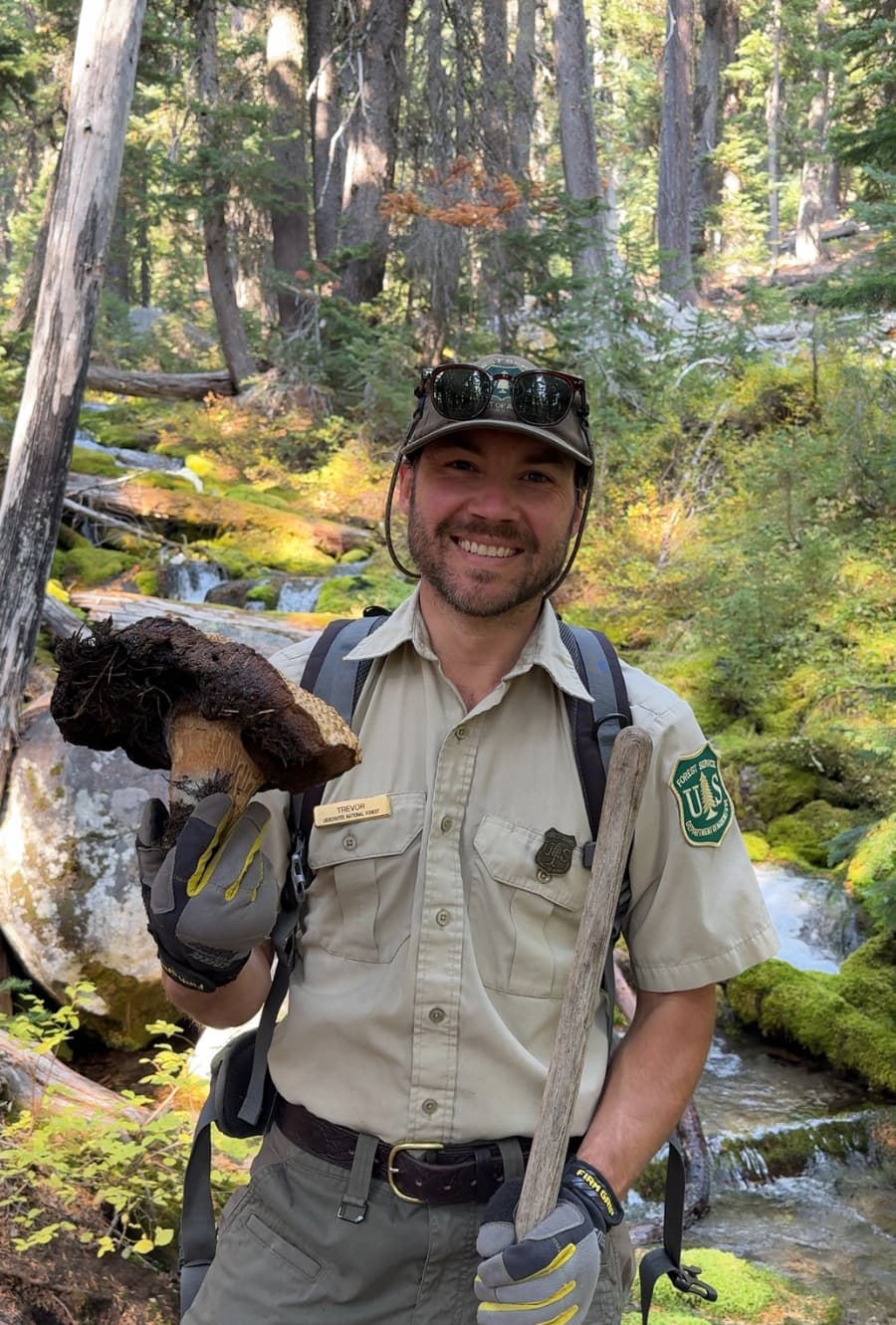
The Cabin Butte area south of Bend, Oregon has a rich history from early 1900s logging to modern restoration. Learn about the vegetation management project working to restore this forest landscape.
Overview
Nestled just south of Bend, Oregon, the Cabin Butte area is a stunning landscape with a rich history. Once clear-cut by logging companies in the early 1900s, this forest has since regenerated under federal ownership. However, decades of fire exclusion have left it vulnerable to high-intensity wildfires, insects, and disease. To address these challenges, the Deschutes National Forest is launching the Cabin Butte Vegetation Management Project — a comprehensive effort to restore this 25,804-acre forest to its historical conditions and reduce wildfire risks.
Why This Project Matters
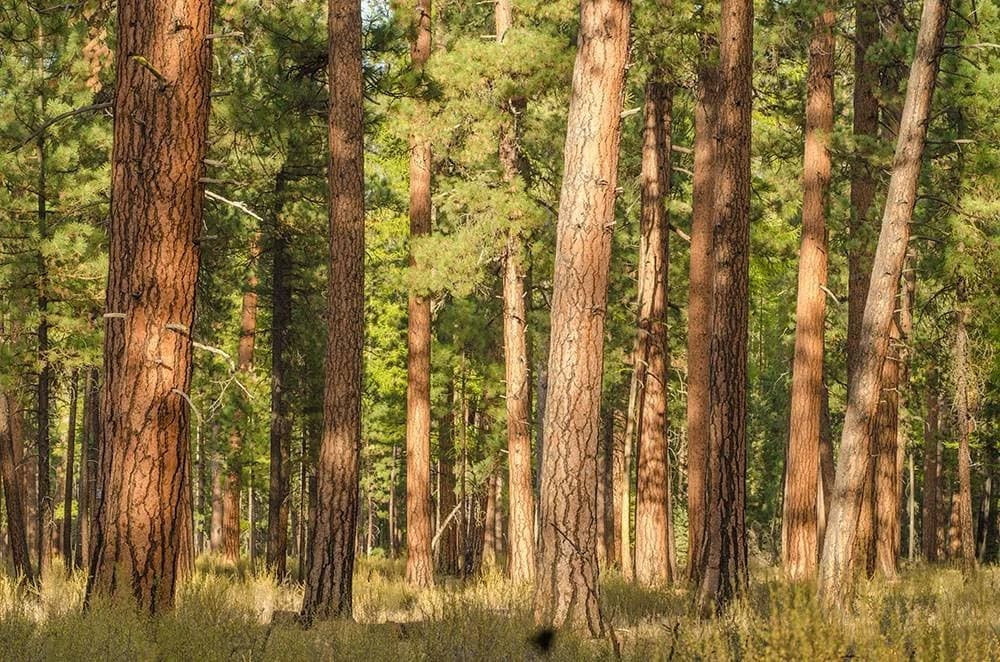
Historically, the dry Ponderosa pine forests in this region experienced frequent, low-severity fires every 5 to 35 years. These fires helped maintain a healthy ecosystem by reducing fuel loads and promoting biodiversity. However, over the past century, fire suppression has led to denser stands of trees, creating conditions ripe for devastating wildfires. In the last 30 years alone, more than 10 large wildfires have scorched the area, often burning with unprecedented intensity.
Given that over 11,000 acres of the project area lie within the wildland-urban interface — less than a mile from Bend's urban growth boundary — this work is critical for safeguarding both the forest and the people who live near it.
- Restoring the forest to its natural structure and composition
- Reintroducing fire as a natural process through controlled burns
- Reducing hazardous fuels to protect nearby communities and improve firefighter safety
Related product
Ranger Tati + Recreation AI
Use source-backed answers when you need to turn route questions, permit confusion, or changing conditions into a clearer next step.
Explore Recreation AIRelated product
Pathfinder
Move from inspiration to logistics with a trip planning toolkit built for gear, timing, permits, fallback plans, and repeat use.
See PathfinderWhat's Being Done?
The project will employ a variety of restoration techniques across five planning units: Fish, Cabin Mow, Mokki, Hut, and Lodge.
These efforts are part of the USDA Forest Service's Wildfire Crisis Strategy, aimed at reducing wildfire risks in high-priority areas like Central Oregon.
- Thinning: Selectively removing trees over 19,554 acres to reduce density and promote healthier growth
- Ladder Fuels Reduction: Clearing undergrowth across 12,402 acres to prevent fires from climbing into tree canopies
- Mowing and Mastication: Cutting and shredding brush and small trees over 18,310 acres to reduce fuel loads
- Prescribed Burning: Conducting controlled burns, including underburning (13,003 acres) and dripline burning (2,633 acres), to mimic natural fire cycles
- Road Management: Decommissioning 13.1 miles of unauthorized routes to protect soil, plants, and wildlife habitat, enhancing 10,649 acres of core wildlife habitat
Project Timeline
Work in the Cabin Butte area is scheduled to occur through 2035, with prescribed burning continuing beyond that date.
- Fish (2023-2028): Tree thinning, road improvements
- Cabin Mow (2024-2026): Mastication and mowing, ongoing fuels reduction along the wildland-urban interface
- Mokki (2024-2029): Tree thinning, mastication, subsoiling, road decommissioning
- Hut (2025-2033): Tree thinning, mastication, subsoiling, road decommissioning
- Lodge (2026-2034): Tree thinning, mastication, subsoiling, road decommissioning
Temporary Closure for Safety
To ensure public safety during these operations, the Forest Service will temporarily close the entire 34,600-acre project area starting May 1, 2025. The closure, lasting at least one year, will affect popular recreation spots like Horse Butte Trailhead, Coyote Butte OHV area, Bessie Butte Trailhead, and Boyd Cave. Key roads, including Forest Service Roads 18 and 1810, will also be closed.
"We understand that this closure may inconvenience some visitors, but it's necessary to protect the public while we carry out this vital work," said Holly Jewkes, supervisor of the Deschutes National Forest. "This project will make our forests healthier, safer, and more resilient to wildfire."
- Closed Sites: Horse Butte Trailhead and butte area, Boyd Cave Picnic Area, Bessie Butte Trailhead and butte area, Cabin Butte, Coyote Butte
- Closed Trails: Trail #61 Swamp Wells, Trail #62 Coyote Loop (partial), Trail #63 Arnold Ice Cave, Trail #66 Boyd Cave, Trail #68 Bessie Butte
Cave Closures and Alternatives
Some of the most visited caves, such as Boyd Cave, will be closed during this time to ensure public safety while restoration work takes place.
Other favorites, like the Arnold Ice Cave System and Hidden Forest Cave, won't be closed outright but will be really hard to get to. Accessing these caves will require navigating a maze of unmaintained forest service dirt roads, made even trickier by the closure of key access routes during the project.
For cave enthusiasts still eager to explore, a great alternative is Derrick Cave, located farther east. This cave offers a unique and rewarding experience, well worth the trip for those willing to venture out. However, reaching Derrick Cave requires a 4WD vehicle with high clearance due to the rugged terrain. Be sure to plan ahead, ensuring your vehicle is equipped for the journey, and definitely have GPS and a map. Your GPS on the way home from the cave will not work out there since there is no service.
Looking Ahead
The Cabin Butte Vegetation Management Project is a key step toward creating a healthier, safer forest for all to enjoy. By restoring the forest to its natural state, this initiative will help ensure that this beautiful area remains a treasured part of our natural heritage for generations to come.
For more information, visit the Deschutes National Forest website or contact the Bend-Fort Rock Ranger District at (541) 383-5300.
Related ethos
RESPECT Through Recreation
The values framework behind how Recreation Leader approaches stewardship, curiosity, belonging, and responsible outdoor use.
Read the RESPECT ethosRelated ethos
Vibe Outside
Waitlist for local outdoor community, trip coordination, and finding the right people to go with.
Learn about Vibe Outside