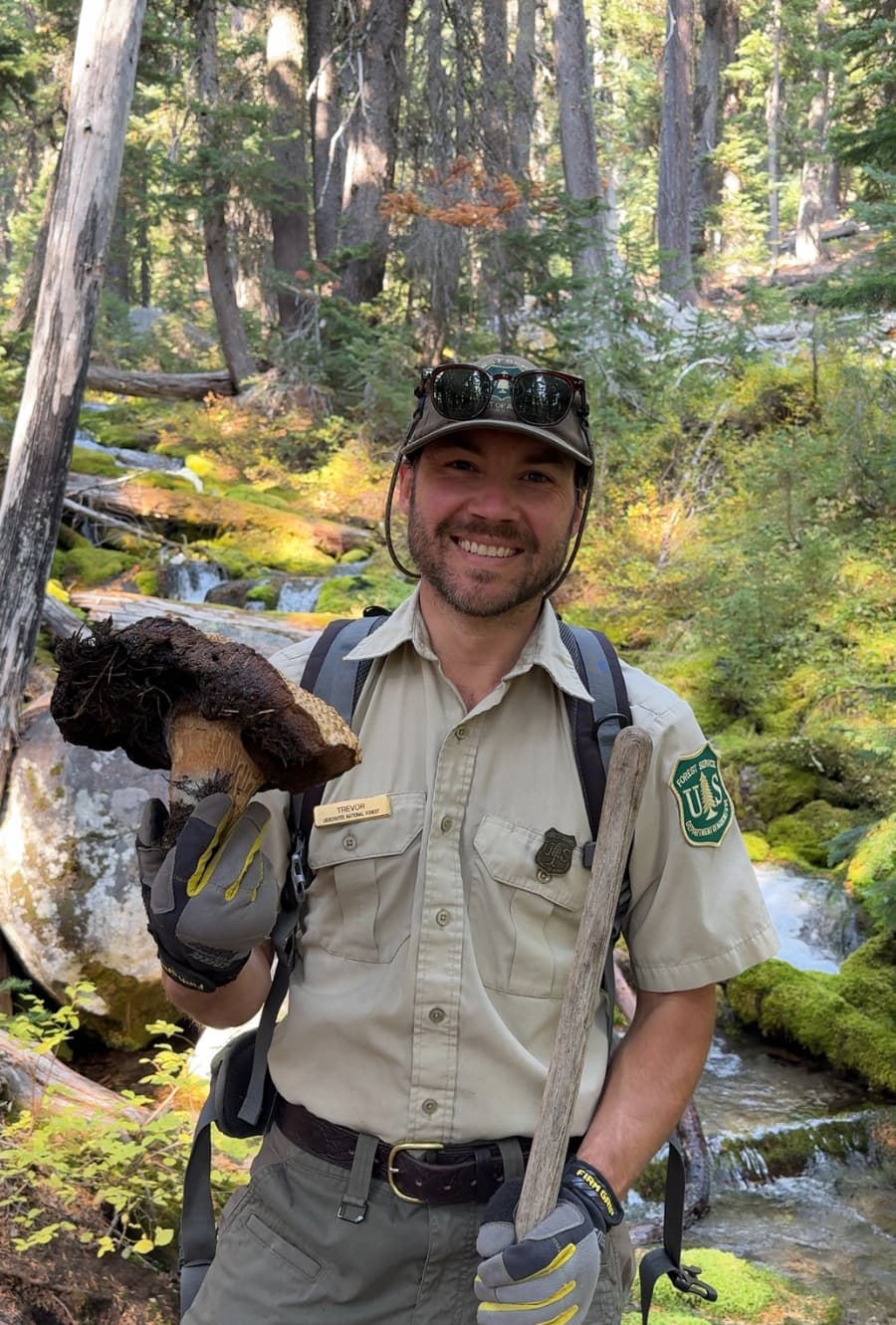
Complete guide to hiking Canyon Creek Meadows on Three Fingered Jack. See mountain goats, wildflower meadows, and stunning alpine views. Trail directions, difficulty, best season, and expert tips.
Overview
Experience breathtaking wildflowers, stunning views of Three Fingered Jack, rare mountain goat sightings, and a refreshing swim at Wasco Lake on the captivating Canyon Creek Meadows hike.
- Location: Mount Jefferson Wilderness, Deschutes National Forest, Oregon
- Closest Town: Sisters, Oregon
- Trailhead Access: Jack Lake Trailhead via Forest Roads 12, 1230, and 1234 (gravel & washboard sections)
- Parking Pass: Northwest Forest Pass or America the Beautiful Pass ($5/day or $30/season)
- Elevation Gain: ~1,240-1,650 feet
- Distance (round trip): ~7.5 miles (up to 9.1 with side trips)
- Trail Difficulty: Moderate (some strenuous sections)
- Restrooms: Vault toilet at trailhead
- Best Season: July to September
- Permits: Central Cascades Wilderness Permit ($1-$6 via Recreation.gov)
- Dog Policy: Leashed dogs allowed, though not recommended
- Route Type: Loop with optional side missions (clockwise required)
Permits (Day & Overnight)
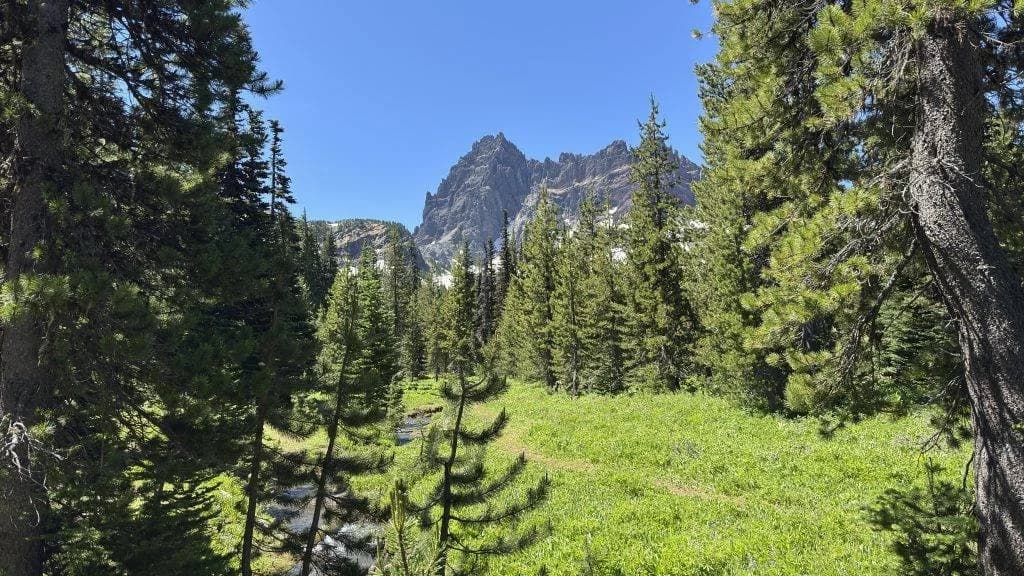
A Central Cascades Wilderness Permit is mandatory for accessing Canyon Creek Meadows, encompassing both day-use and overnight trips from June 15th through October 15th each year. This permit system is quota-based and reservation-only, meaning permits cannot be obtained directly at the trailhead or from Forest Service offices. Instead, all permits must be secured in advance through Recreation.gov by searching for "Central Cascades Wilderness".
Day-use permits cost $1 per person per outing, while overnight permits are priced at $6 per group, which can consist of 1 to 12 individuals. Overnight permits are valid for a duration of up to 14 days, allowing extensive travel within a single wilderness area. Permits are date-specific and non-transferable, requiring the named permit holder to be present with their group throughout the entire outing.
To protect the delicate wilderness environment, strict rules regarding camping and fire apply. Camping is prohibited within 100 feet of water sources or trails. Furthermore, campfires are not permitted above 5,700 feet in elevation and at certain other lower elevation destinations within the wilderness area.
Related product
Ranger Tati + Recreation AI
Use source-backed answers when you need to turn route questions, permit confusion, or changing conditions into a clearer next step.
Explore Recreation AIRelated product
Pathfinder
Move from inspiration to logistics with a trip planning toolkit built for gear, timing, permits, fallback plans, and repeat use.
See PathfinderDirections
From Bend: Head west on Highway 20 for approximately 33 miles. Turn right onto Suttle Sherman Road, and after about 1 mile, make a left turn onto paved Jack Lake Road (Forest Road 12). Continue on Jack Lake Road for about 4.4 miles, then turn left onto the one-lane Forest Road 1230. Drive for approximately 1.5 to 1.6 miles until the pavement ends. At this point, fork left onto gravel Forest Road 1234, which is a washboard gravel surface. Follow this road as it twists, turns, and climbs for the next 5 to 6 miles until you reach the Jack Lake Trailhead parking area.
From Portland: Drive OR-126 East towards Bend for about 68.2 miles, then merge right onto US-20 East. Continue on US-20 East for 15.5 miles until you are approximately 8 miles east of Santiam Pass. Look for a sign indicating "Wilderness Trailheads" near milepost 88 and turn left onto paved Road 12. From here, follow the same directions as from Bend.
The final 5 to 6 miles of the access road (Forest Road 1234) are unpaved, consisting of washboard gravel with potentially rutted areas. While many sedans can successfully navigate this road, a high-clearance vehicle is recommended for a more comfortable journey. The Jack Lake Trailhead parking lot is known to fill quickly, particularly on weekends during peak season. To secure a parking spot, it is highly recommended to arrive early, ideally before 9:00 AM.
Trail Description
The Canyon Creek Meadows hike, located within the Mt. Jefferson Wilderness, offers a rich and varied landscape, typically covering 7.5 to 9 miles with an elevation gain of around 1,560 to 1,650 feet, peaking near 6,485 to 6,490 feet. The journey begins at the Jack Lake Trailhead, at an elevation of approximately 5,100 feet, leading through terrain that shifts from sections impacted by the 2003 B&B Complex Fire to lush alpine meadows.
The trail presents a mix of conditions, from gentle forested paths and shaded areas composed of lodgepole pine, fir, and hemlock stands, to more exposed, steep, and rocky sections. A significant portion of the trail winds beside Canyon Creek, offering lush, green scenery. The ascent to the upper meadow and the viewpoint saddle near Three Fingered Jack can be particularly challenging, featuring loose scree and crumbly slopes that necessitate careful footing.
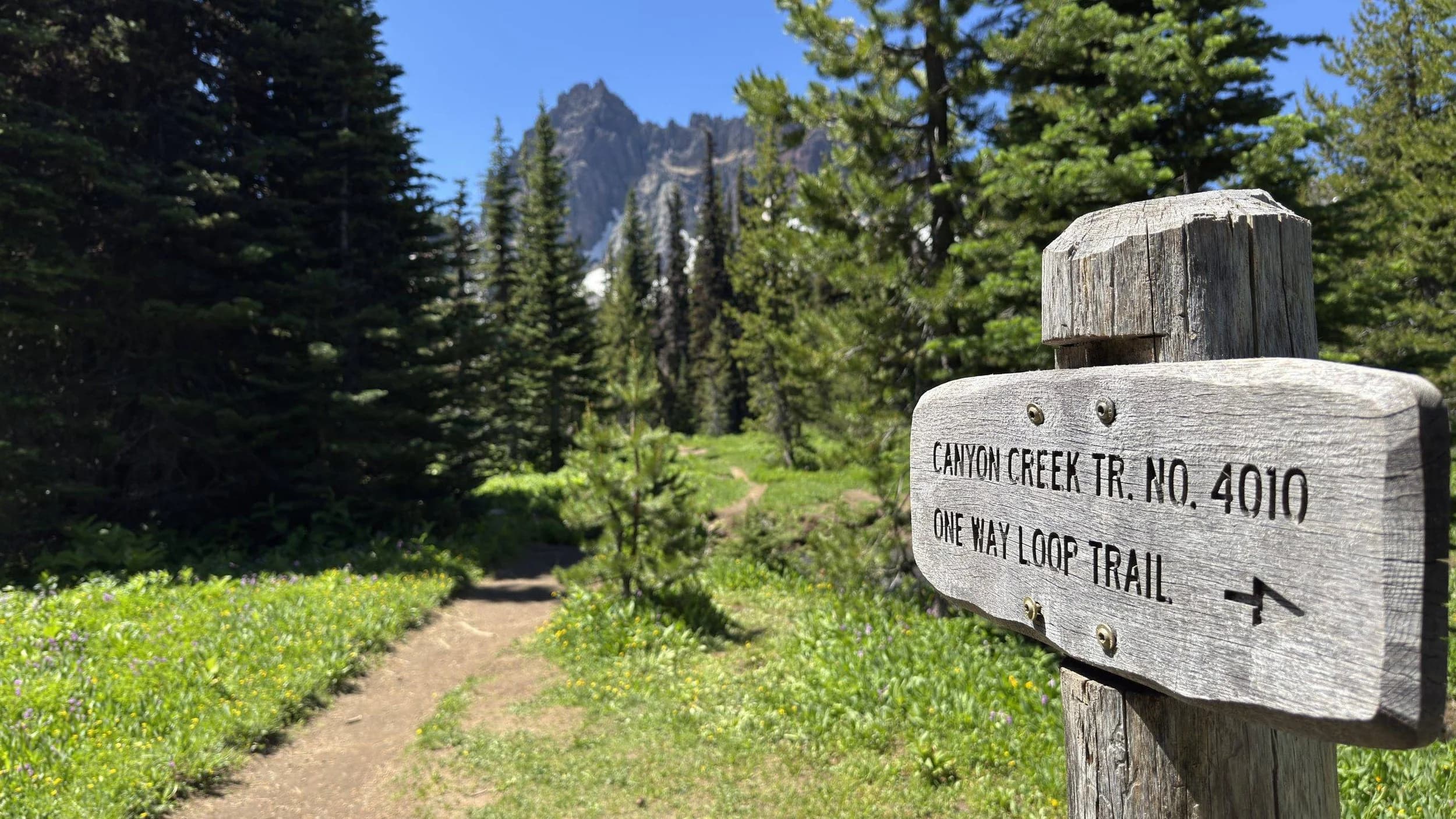
The hike typically starts by skirting the east side of Jack Lake. About 0.3 to 0.4 miles in, you will reach a junction that marks the beginning of the loop. The Forest Service enforces hiking the loop clockwise to reduce trail congestion and minimize environmental impact. Following this requirement, you will bear left at the junction, climbing gradually through wooded areas and passing two small ponds. Approximately 1.7 miles from this junction, you will reach the Lower Canyon Creek Meadow, known for its vibrant wildflowers.
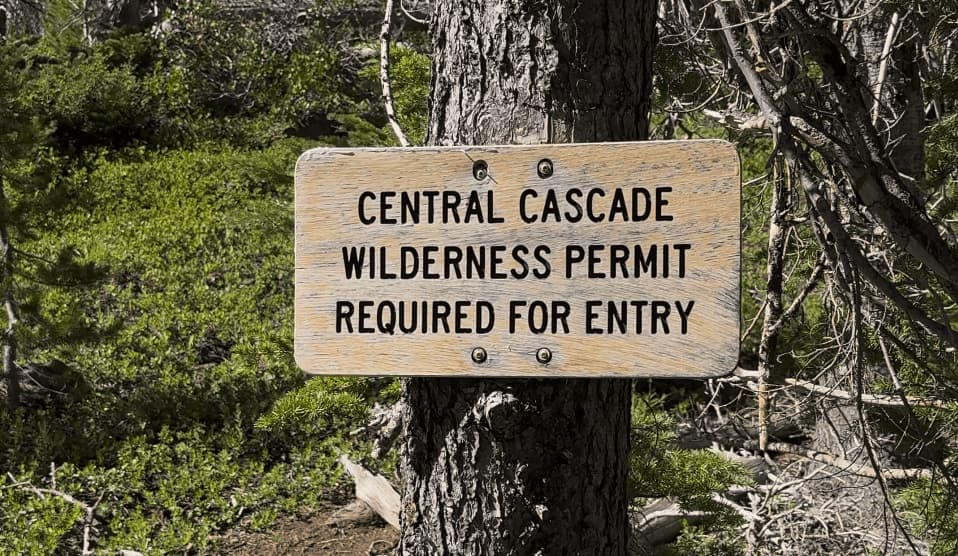
From the Lower Meadow, the trail continues climbing towards Three Fingered Jack, passing several more lush meadows. About a mile further, you will arrive at the Upper Canyon Creek Meadow, a flat area directly beneath Three Fingered Jack's summit. For those seeking more challenge and breathtaking vistas, an optional side trip continues for another half-mile to an overlook above a turquoise glacial cirque lake, and then to a saddle on Three Fingered Jack's east shoulder. This scramble adds about 1 mile and 500 feet of elevation gain, but rewards with panoramic views of Mount Jefferson to the north and Mount Washington and the Three Sisters to the south.
Mountain Goat Sightings
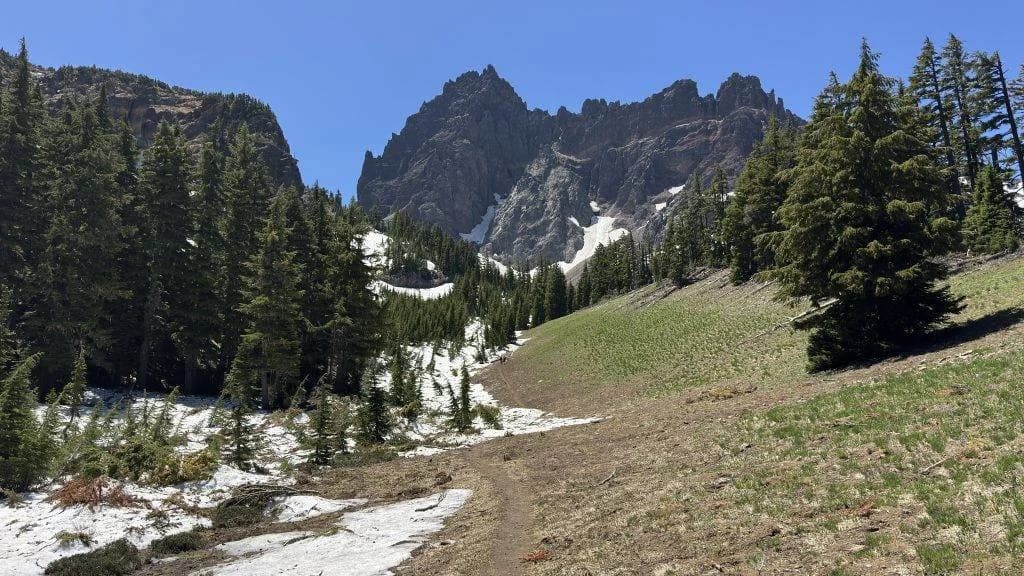
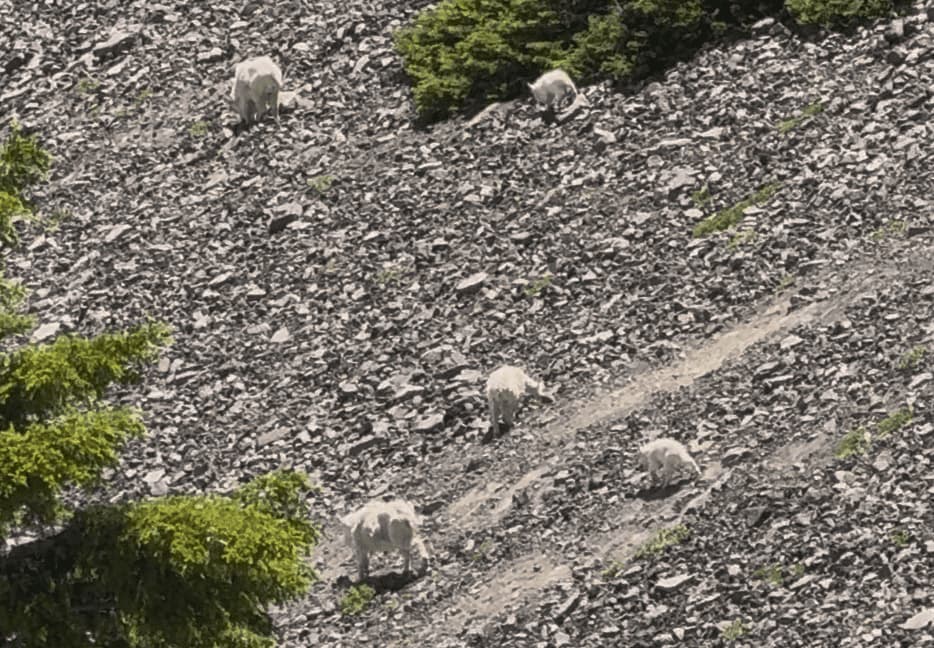
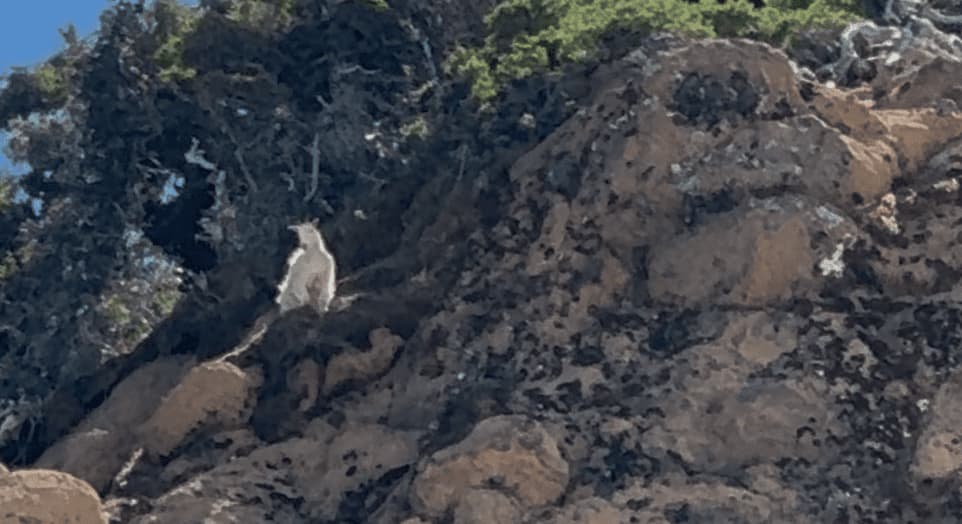
Mountain goats, which were reintroduced to Oregon after being eradicated in the 19th century, are often sighted on the steep cliffs near Three Fingered Jack. Hikers commonly spot these animals on ledges beneath the jagged cliffs on hikers left leading up to the volcano, particularly near the upper meadow and shoulder/saddle area. If you hike on the saddle, the goats also like to hang out just below the saddle to the right on the opposite side from which you came.
Wildflowers and Best Timing
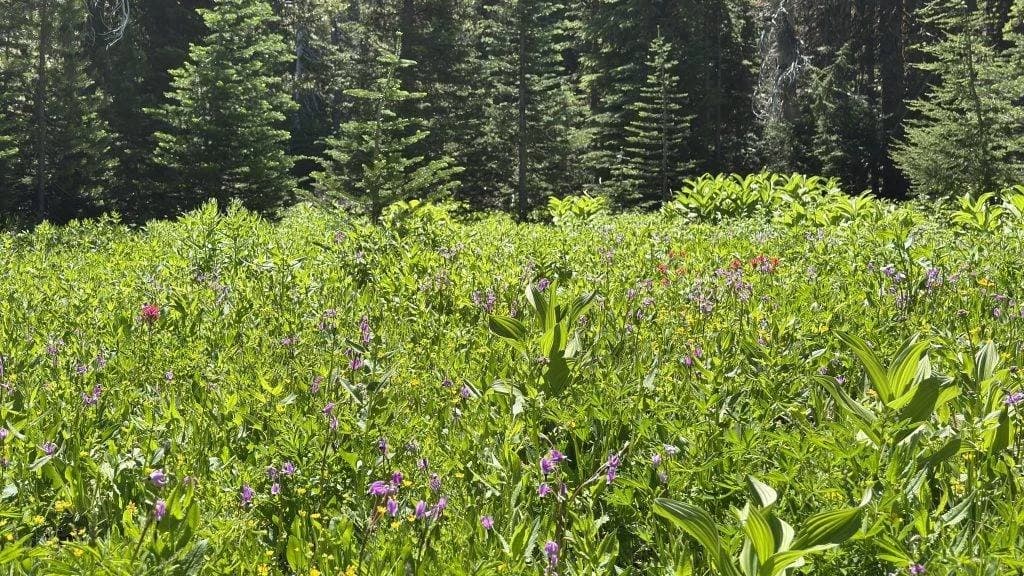
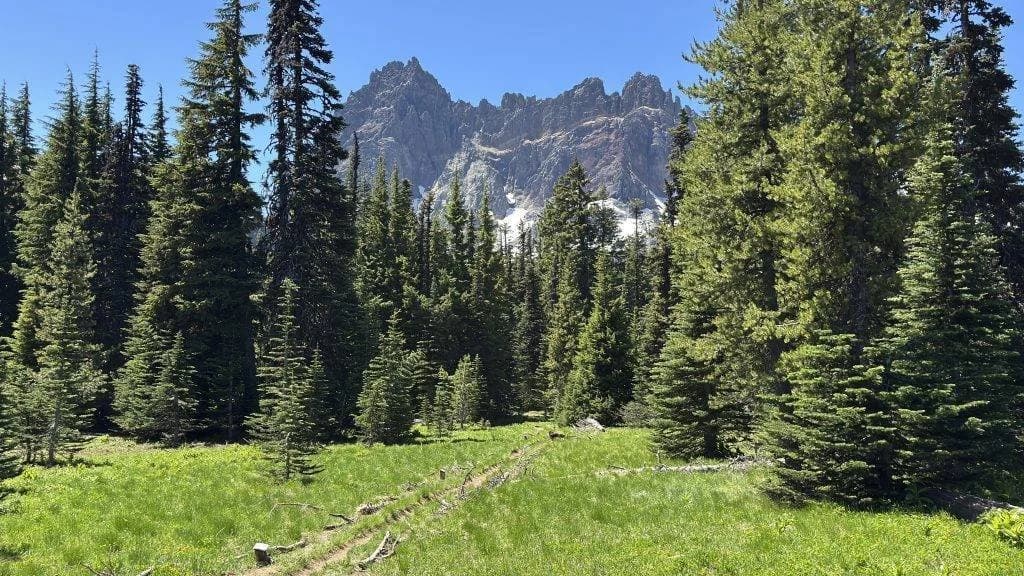
The Lower and Upper Canyon Creek Meadows are prime locations for photography, especially during the peak wildflower season. Here, you can capture fields of lupine, red paintbrush, and blooming bear grass, with the dramatic backdrop of Three Fingered Jack's craggy spires. The best time for peak wildflower viewing is from mid-July to early August. The viewpoint saddle also offers incredible panoramic photo opportunities of the surrounding Cascade peaks.
Wasco Lake Swimming
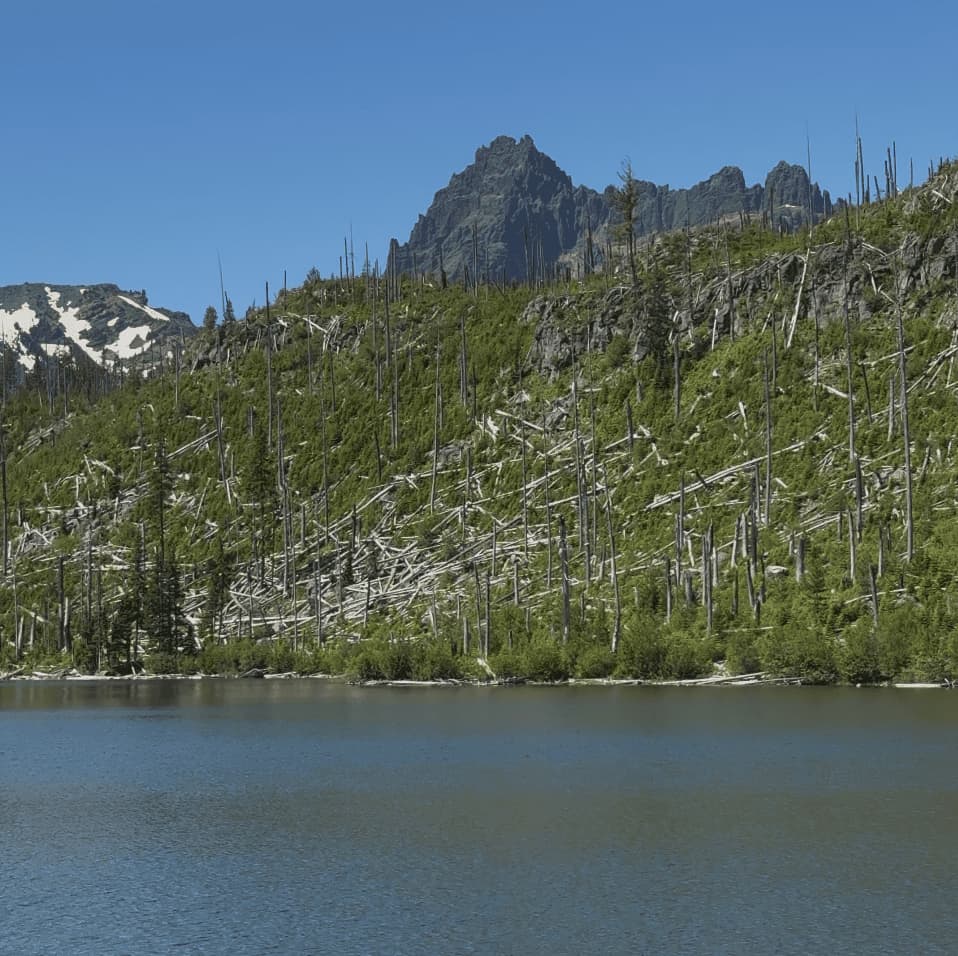
After returning from the upper viewpoints, the loop trail descends along Canyon Creek, passing small waterfalls and a beaver marsh. For a refreshing bonus detour, take a 0.7-mile spur trail to Wasco Lake, about 0.5 miles from the Pacific Crest Trail. Wasco Lake offers an excellent opportunity to cool off during a hot summer day. The lake's waters are clear and swimmable, providing a tranquil escape.
Trail Restrictions
Hikers are required to hike clockwise on the loop to mitigate congestion and impact. It is crucial to stay on designated trails to protect the fragile meadows and wildflowers. Campfires are strictly prohibited above 5,700 feet elevation and in certain other designated low-elevation areas to prevent wildfires. Camping is not allowed within 100 feet of water sources or trails, and hikers should avoid setting up camp on fragile meadow vegetation. A Central Cascades Wilderness Permit is required, and rangers regularly patrol the area to check for compliance.
Related ethos
RESPECT Through Recreation
The values framework behind how Recreation Leader approaches stewardship, curiosity, belonging, and responsible outdoor use.
Read the RESPECT ethosRelated ethos
Vibe Outside
Waitlist for local outdoor community, trip coordination, and finding the right people to go with.
Learn about Vibe Outside