Wolf Rock in the Willamette National Forest is a 900-foot volcanic plug shaped by weathering and erosion, offering climbers an unparalleled big-wall experience in the Oregon Cascades.
Overview
Nestled in the rugged beauty of the Willamette National Forest, Wolf Rock towers as a testament to Oregon's volcanic past. This 900-foot volcanic plug, shaped by weathering and erosion, offers climbers an unparalleled big-wall experience. Known for its towering presence and challenging routes, Wolf Rock is a must-visit destination for climbers seeking adventure, technical challenges, and stunning views.
- Location: Willamette National Forest, Oregon
- Formation: Basalt/andesite volcanic plug, the remnant of an ancient volcano
- Nickname: Oregon's "Big Wall"
- Height: 900 feet
- Parking: Park alongside the dirt road in a pull-out.
- Trail Conditions: Difficult to find; bushwhacking required.
- Early Spring: Some roads may be inaccessible due to snow, requiring a few miles of hiking.
- Late Spring: Roads typically become fully accessible, allowing parking closer to the monolith.
Why Climb Wolf Rock?
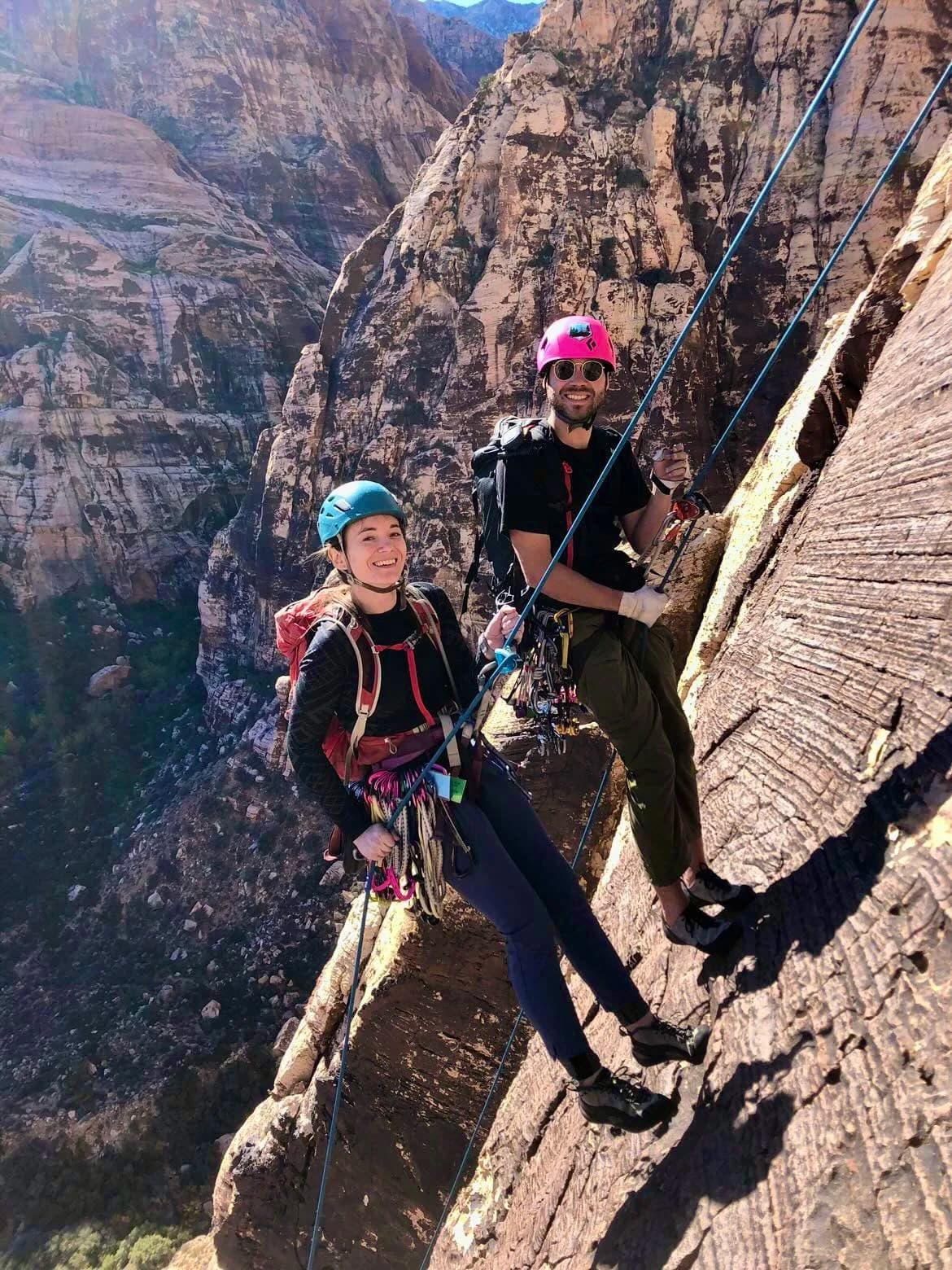
Wolf Rock is Oregon's largest monolith and a climber's dream for those looking to test their skills on big walls. The crag is home to some of the state's most iconic multi-pitch climbs. These routes are famous not only for their length but also for their technical demands and thrilling exposure. The initial pitches are known for being dirty with lichen and debris, but as you ascend, the climbing improves dramatically, rewarding persistence with breathtaking pitches and unforgettable moves.
- Barad-dur (5.11a, 8 pitches): A technical masterpiece with thrilling exposure.
- The Morgul Vale (5.9 PG-13, 10 pitches): A longer adventure with a mix of run-out and engaging climbing.
Related product
Ranger Tati + Recreation AI
Use source-backed answers when you need to turn route questions, permit confusion, or changing conditions into a clearer next step.
Explore Recreation AIRelated product
Pathfinder
Move from inspiration to logistics with a trip planning toolkit built for gear, timing, permits, fallback plans, and repeat use.
See PathfinderPlan Your Visit
Wolf Rock is located deep within the Willamette National Forest, requiring a drive on dirt roads. Use a high-clearance vehicle and be prepared for rough road conditions.
The approach trail to Wolf Rock is notoriously difficult to locate. Be prepared to bushwhack and navigate off-trail terrain.
- Early Spring: Snow may block access, requiring hikers to trek several miles to reach the base.
- Late Spring: Most roads clear up, allowing climbers to park close to the monolith.
- Key Landmark: Head toward the curved "roof" feature (referred to as an arch on Mountain Project).
- Climbing Routes: The classics start about 30 feet to the right of this roof feature.
What to Expect
For detailed information on routes, check out Mountain Project's Wolf Rock Page.
- Sandbagged Routes: Climbs at Wolf Rock are known for being graded on the tougher side, so be ready for a challenge.
- Run-Out Sections: Climbers should feel comfortable with significant spacing between protection.
- Dirty First Pitches: The lower sections of multi-pitch climbs may be covered in lichen and debris, but upper pitches are stellar and well worth the effort.
Climbing Safety and Timing
Summiting can be deadly—know your limits, have a navigation system in place, and understand that volcanic rock is unstable. Rocks can shift at any time, and caution is essential when using hand and foot holds.
Wolf Rock is a destination for climbers ready to embrace the challenge of Oregon's largest monolith. Its technical routes, stunning views, and towering presence make it an unforgettable experience for those prepared to tackle its unique demands.
- Spring to Fall: Late spring through fall is the best time to climb Wolf Rock, as snow has typically melted and access roads are open.
- Seek Dry Conditions: Dry rock provides the best grip on basalt and andesite surfaces.
Related ethos
RESPECT Through Recreation
The values framework behind how Recreation Leader approaches stewardship, curiosity, belonging, and responsible outdoor use.
Read the RESPECT ethosRelated ethos
Vibe Outside
Waitlist for local outdoor community, trip coordination, and finding the right people to go with.
Learn about Vibe Outside