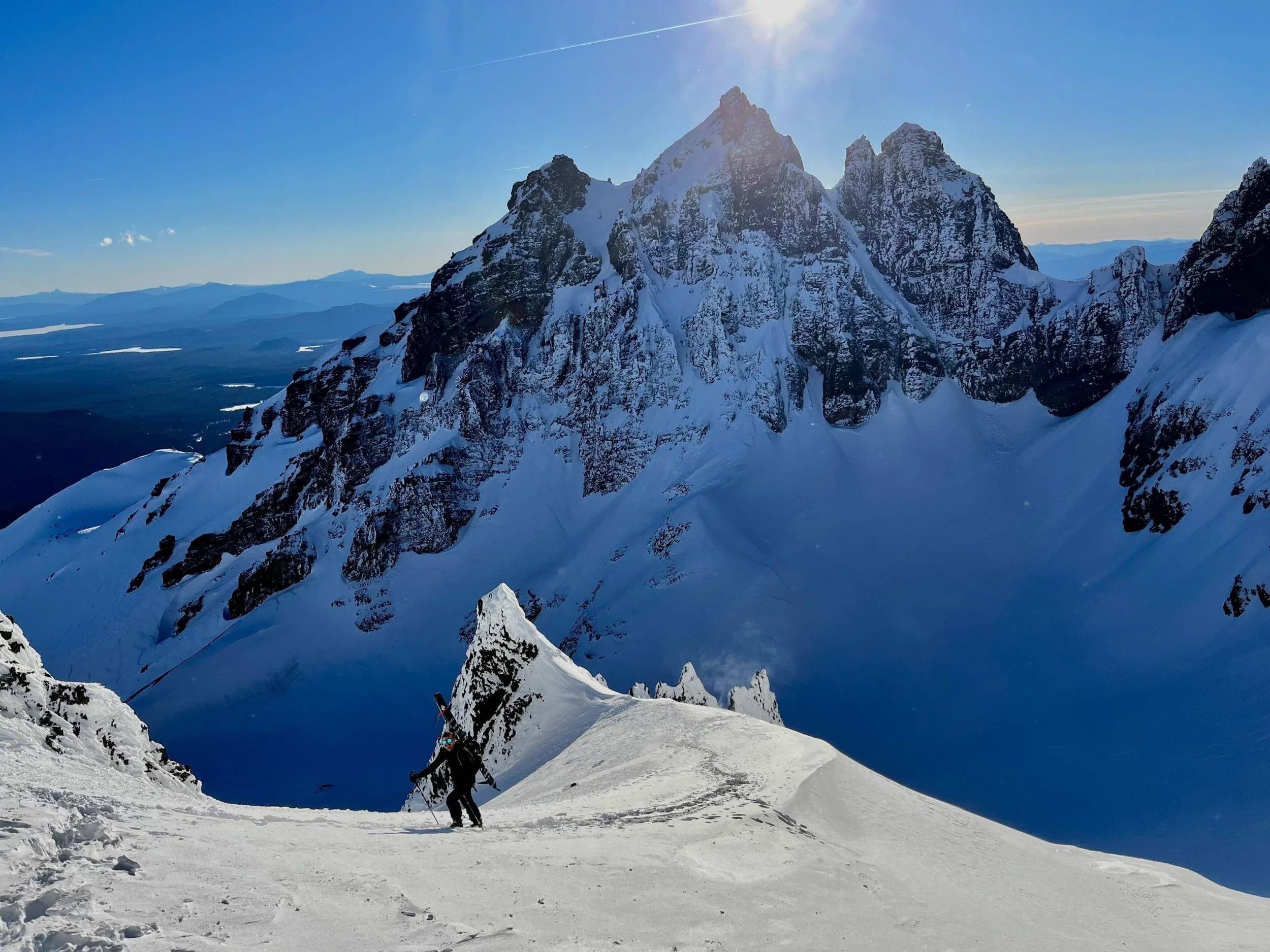
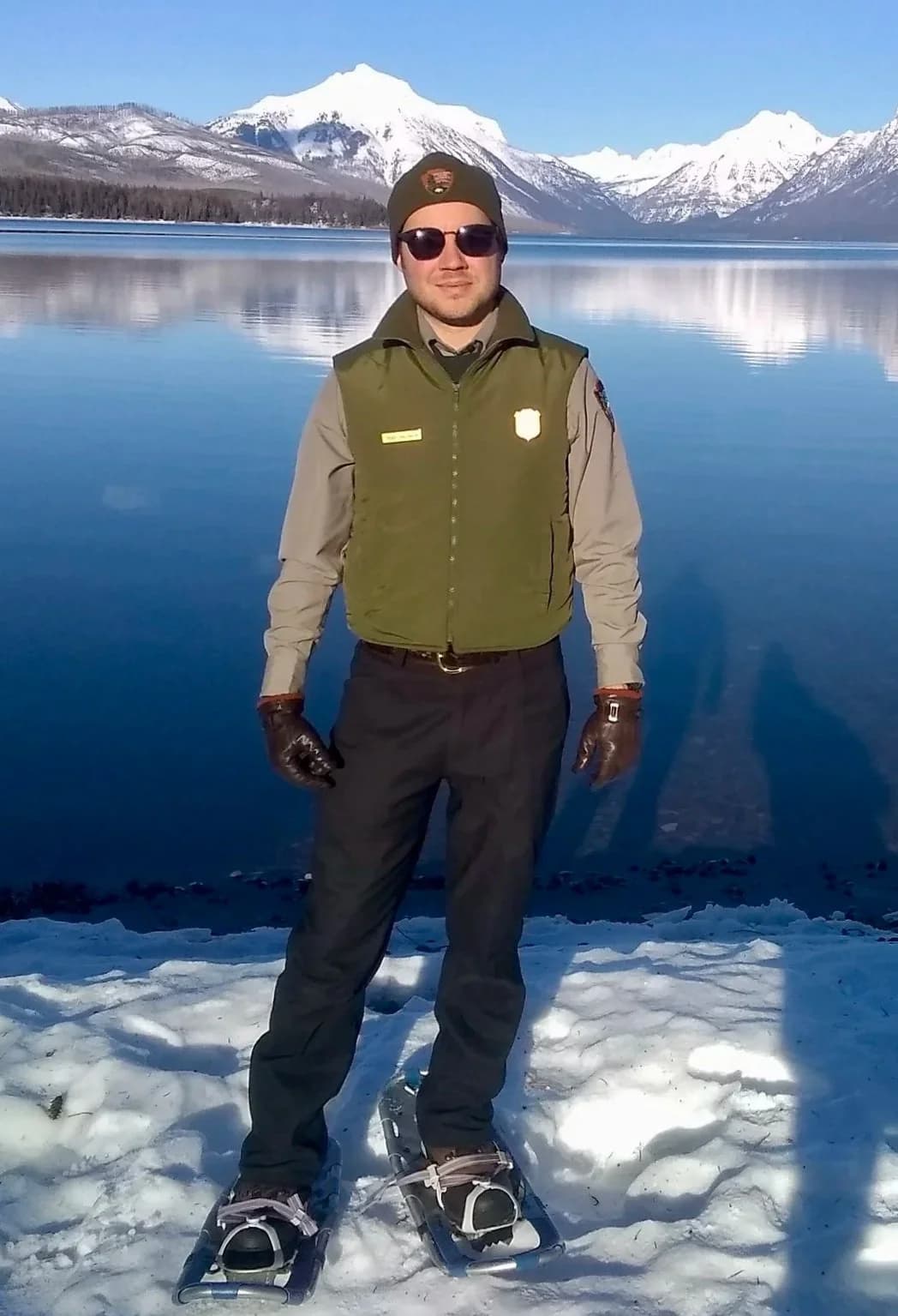
Broken Top Volcano offers incredible backcountry skiing in the High Cascades for experienced skiers prepared to navigate avalanche terrain. This guide covers access, routes, and safety essentials.
Backcountry Skiing: A Thrill with Risks
Skiing in the backcountry is exhilarating, but it's also demands preparation, skill, and respect for mountain conditions. Broken Top Volcano, an iconic peak in the High Cascades, offers an incredible winter adventure -- but only for those prepared to face its challenges. Before you embark, know the risks, get the proper training, and prioritize safety above all else.
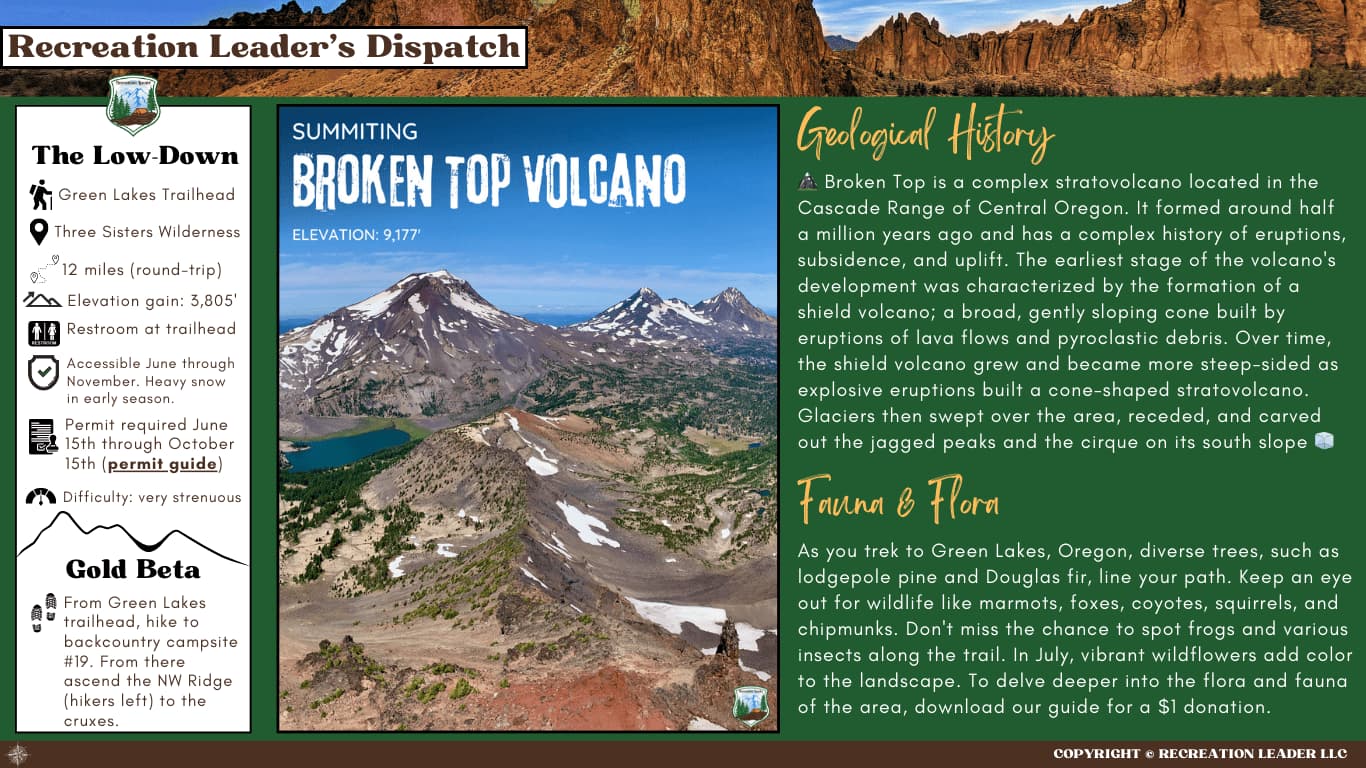
Broken Top Volcano is a breathtaking peak in the Central Oregon Cascades, formed approximately half a million years ago. Its rugged profile is the result of countless eruptions, subsidence, and uplift, creating a dramatic landscape that captivates adventurers year-round.
How to Get There
Accessing Broken Top in the winter is no small feat. The journey spans over 16+ miles round-trip and requires advanced skills in navigation, avalanche safety, and endurance.
Start at Dutchman Flats Sno-Park: Snowmobile from Dutchman Flats to the Wilderness boundary. This tactic saves roughly 14 miles of skiing, making the route more manageable for the prepared adventurer.
After ditching the snowmobile, begin the grueling uphill climb using your touring skis or splitboard.
Check snow and avalanche conditions before your trip. Always carry a beacon, probe, and shovel, and know how to use them.
Related product
Ranger Tati + Recreation AI
Use source-backed answers when you need to turn route questions, permit confusion, or changing conditions into a clearer next step.
Explore Recreation AIRelated product
Pathfinder
Move from inspiration to logistics with a trip planning toolkit built for gear, timing, permits, fallback plans, and repeat use.
See PathfinderSafety First: Avalanche Risks
Backcountry skiing involves significant avalanche danger, especially in the Cascades. Broken Top's steep slopes and unpredictable weather patterns make it essential to take precautions.
- Complete Avalanche Training: Take a certified course, like AIARE Level 1, to learn about terrain assessment, snowpack evaluation, and rescue techniques
- Use Avalanche Forecasts: Check the latest conditions at Central Oregon Avalanche Center (coavalanche.org) before heading out
- Travel with a Group: Never ski alone in avalanche terrain
Preparation Checklist for Broken Top
Before setting out, ensure you're well-prepared.
- Avalanche beacon, probe, and shovel
- Touring skis or splitboard with skins
- Helmet and appropriate layers for changing conditions
- AIARE Level 1 certification or higher
- First aid knowledge specific to winter conditions
- Map and GPS device with offline capabilities
- Check avalanche and weather reports
Related ethos
RESPECT Through Recreation
The values framework behind how Recreation Leader approaches stewardship, curiosity, belonging, and responsible outdoor use.
Read the RESPECT ethosRelated ethos
Vibe Outside
Waitlist for local outdoor community, trip coordination, and finding the right people to go with.
Learn about Vibe Outside