Bats are under threat from White-Nose Syndrome, a devastating fungal disease that has killed millions across North America. Learn how you can help protect these essential pollinators and pest controllers.
Understanding White-Nose Syndrome
Bats, the unsung heroes of our ecosystems, are under threat from a devastating disease called White-Nose Syndrome (WNS). Since its discovery in 2006, this deadly fungal disease has caused the deaths of millions of bats across North America, pushing some species to the brink of extinction. The stakes are high -- not just for bats, but for the delicate ecosystems they support.
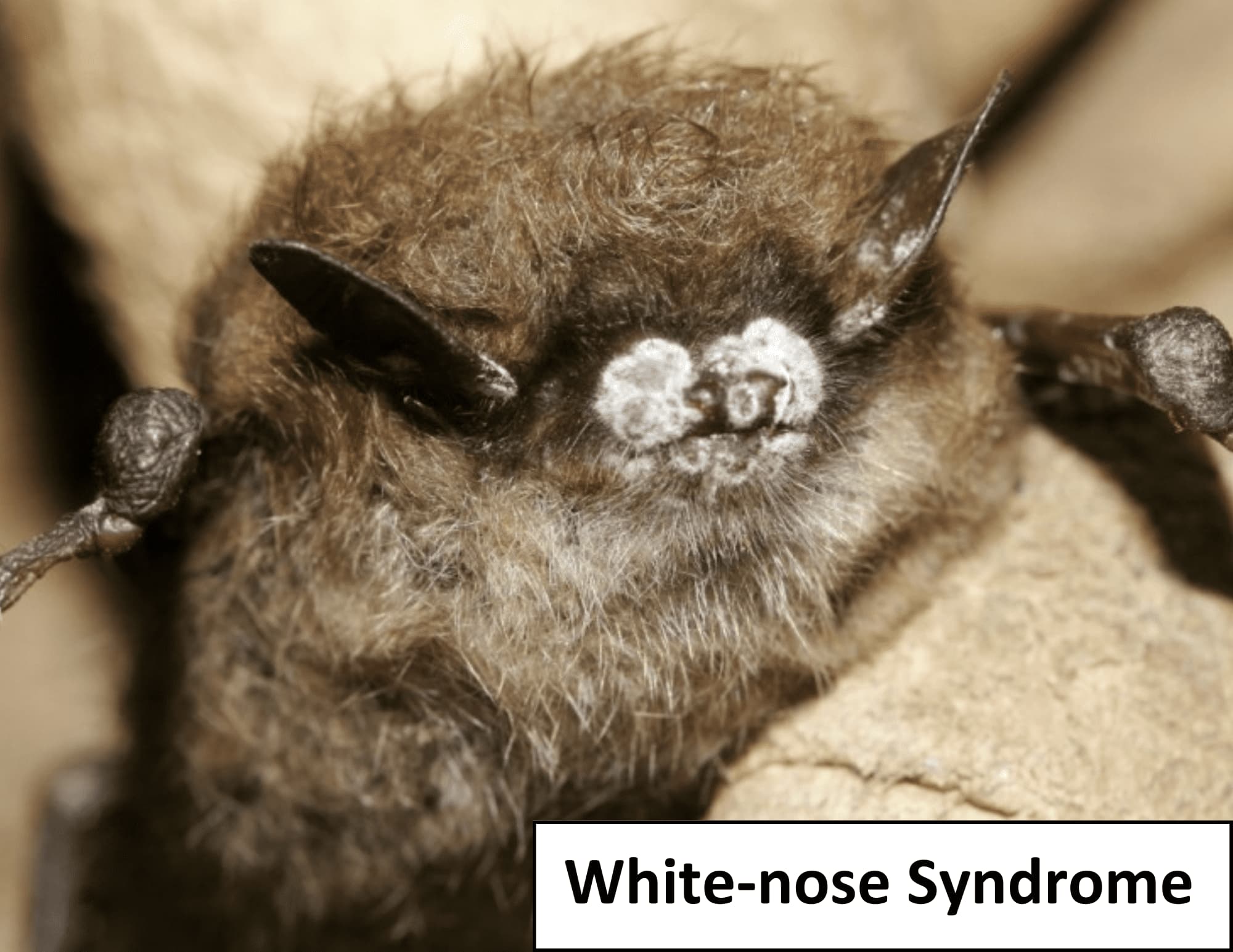
White-Nose Syndrome is caused by the fungus Pseudogymnoascus destructans (Pd), which thrives in the cold, damp conditions of caves and mines where bats hibernate. The fungus forms a white fuzz on the bats' noses, wings, and ears, disrupting their hibernation and depleting the fat reserves they rely on to survive the winter.
The disease spreads rapidly, with mortality rates exceeding 90% in some bat colonies. As of today, WNS has been confirmed in over 38 states and seven Canadian provinces, with the fungus itself detected in even more areas. Unfortunately, there's no known cure for WNS, although promising research is underway.
Why Bats Matter
Bats are more than just fascinating nocturnal creatures -- they play a crucial role in maintaining the balance of our ecosystems.
- Pollinators and Seed Dispersers: Some bat species are vital for pollinating plants and dispersing seeds, especially in tropical and desert environments
- Natural Pest Control: Bats consume millions of insects each night, reducing the need for chemical pesticides and saving farmers billions of dollars annually
- Ecosystem Health: Healthy bat populations contribute to the overall well-being of ecosystems, supporting biodiversity and preventing insect-borne diseases
Related product
Ranger Tati + Recreation AI
Use source-backed answers when you need to turn route questions, permit confusion, or changing conditions into a clearer next step.
Explore Recreation AIRelated product
Pathfinder
Move from inspiration to logistics with a trip planning toolkit built for gear, timing, permits, fallback plans, and repeat use.
See PathfinderWhat Can You Do to Help?
While scientists and conservationists work tirelessly to combat White-Nose Syndrome, there are several ways you can make a difference.
Avoid Spreading the Fungus: If you visit caves or mines, especially those that house bats, be mindful of the potential to spread Pseudogymnoascus destructans. Many areas are now closed to protect hibernating bats, but if you do enter, follow strict decontamination protocols for your clothing, shoes, and gear.
Stay Out of Bat Habitats: Avoid entering bat hibernation sites unless absolutely necessary. Even a brief disturbance can have catastrophic effects on hibernating bats, forcing them to expend valuable energy reserves.
Support Bat Conservation Efforts: Get involved with local organizations and agencies working to protect bats and their habitats. Consider donating to research initiatives or volunteering for conservation projects. You can also find a local Grotto (caving organization) through the National Speleological Society to learn more.
Spread the Word
Bats need our help now more than ever. Share information about White-Nose Syndrome to raise awareness about the critical role bats play in our ecosystems.
By staying informed and taking action, we can all play a part in ensuring a future where bats -- and the ecosystems they support -- thrive.
Related ethos
RESPECT Through Recreation
The values framework behind how Recreation Leader approaches stewardship, curiosity, belonging, and responsible outdoor use.
Read the RESPECT ethosRelated ethos
Vibe Outside
Waitlist for local outdoor community, trip coordination, and finding the right people to go with.
Learn about Vibe Outside